"So I am eager to come to you in Rome, too, to preach the Good News for I am not ashamed of this Good News about Christ.” Romans 15-16, NLT
Dear Friends,
When was the last time you sat down to write a letter, when you took out a piece of stationery and put pen and ink on the paper? Who would you address it to and what would be the purpose of that letter?
Maybe it was a letter of thanks, or a letter acknowledging a recent event, or a letter of concern or well-being. Soldiers in far off places will write letters home to let their loved ones know how they are doing. And I would think that the bright spot of their day is when they receive a letter from home. Love letters have long been kept as a remembrance of a time long ago, to read the message once again.
If you were to write a letter to someone, what would you want them to know?
Some would say that we have lost the art of letter writing because we can do that by e-mail, text, phone, or have AI write it for us. Back in the day before such things, letter writing was the way we communicated with one another and the art of letter writing goes back centuries.
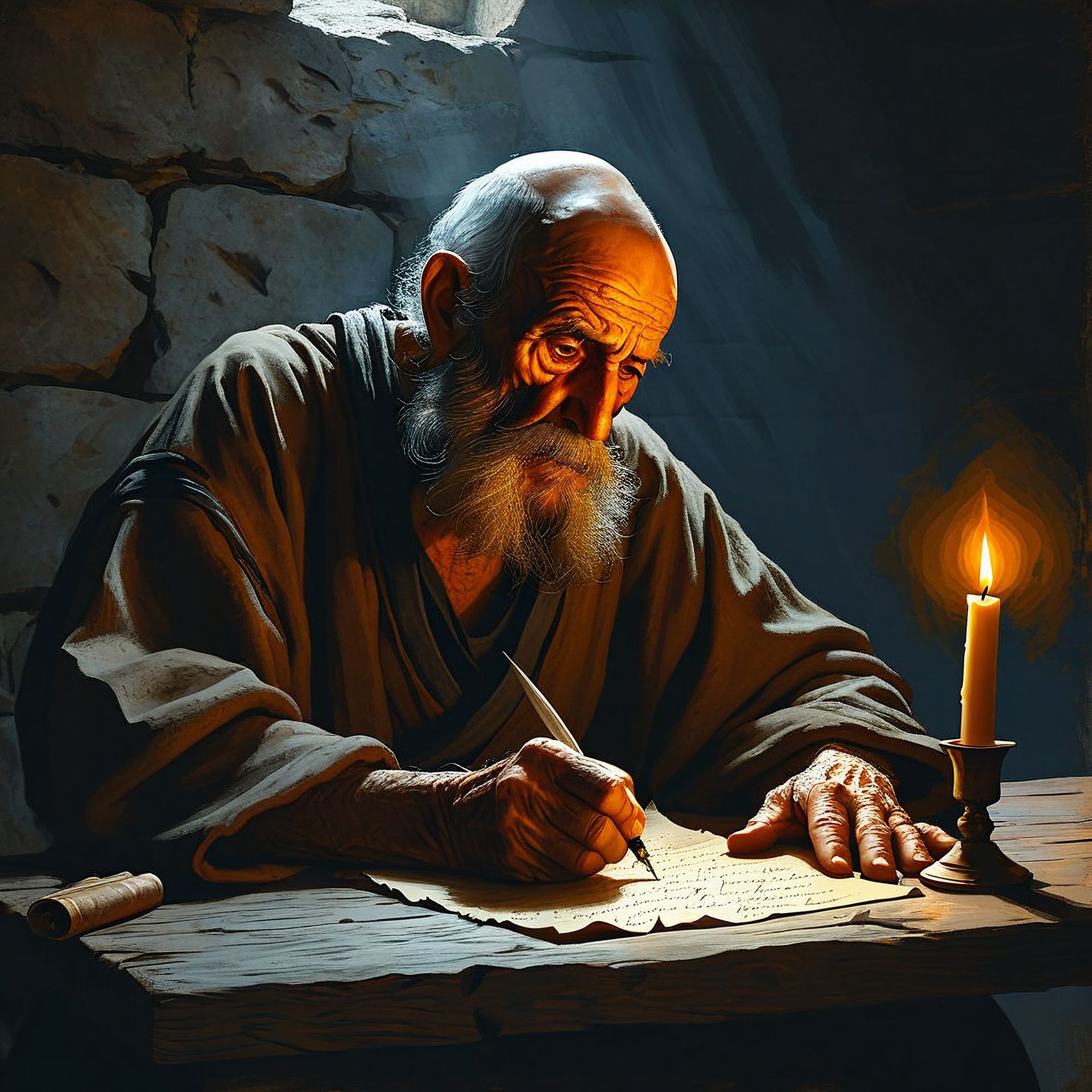
I recall my days in school when we would learn the parts of a perfectly formulated letter. The apostle Paul was a master letter writer. Maybe it was from Paul that we learned how to write them.
He always stated with a greeting and an uplifting word to the person or organization addressed. Then he would get to the purpose of the matter. He would end with instructions or recommendation on how to proceed and close with a final word. Sam Rainter writes in his book Loved and Unashamed: “Paul wrote thirteen New Testament letters, each born out of specific needs within the church. Sometimes he encouraged as in Philippians. Sometimes he corrected, as in Corinthians. Sometimes he defended the true gospel against false teaching, as in Galatians. His letters became the preferred method of guiding, shaping, and strengthening these communities of believers scattered across the roman Empire.”
The Letter to the Romans was different. It was not a church that he had started or visited. Paul wanted to introduce himself to the Jewish/Gentile church there. He also wanted to ground the church in truth, unite Jewish and Gentile believers, and present the clearest gospel message in the New Testament.
We should thank God for those who realized the importance of Paul’s letters and preserved them in Holy Scriptures for us to enjoy and learn from. I hope you will join me in a study of this letter not reading it as a theological masterpiece but reading it as a letter written to unite us and to inspire us to live our faith unashamed.
I thank God for you,
Pastor Kathy
Sermon Series: Loved and Unashamed
This is based on a book by the same name written by Sam Rainer. The Letter to the Romans is a masterpiece of thought,
yet a message of hope and unity in troubled times.
The schedule for this series is as follows:
- Sunday, August 30, 2026: - Romans 1:1-17,, Why Romans? It is the Gospel that Makes Us Right with God. Roman's pens are not with casual pleasantries but with purpose and urgency. The apostle Paul reminds us that we have been called by God to be his hoy people.
- Sunday, September 6, 2026 –Romans 3:22b-28, (29-31) - The Verdict that Changes Everything. Paul reminds us that humanity is not merely flawed. We are guilty. We have not simply made mistakes—we have broken God’s law.
- Sunday, September 13, 2026 - Romans 4:1-5, 13-17 (18-25) Father Abraham and the Family of God. Paul takes us backward before he takes us forward. Salvation and righteousness have always been received through faith.
- Sunday, September 20, 2026 - Romans 5:1-19 Unlocking the Goodness of God. Paul opens with a stunning reality. There are treasures in the Christian life that cannot be accessed through morality or religious activity. The key that unlocks this secret is faith in Jesus Christ.
- Sunday, September 27, 2026 - Romans 6:1b-23 How Sin’s Power is Broken. Paul answers the critical question: If grace saves us, how do we live now?
- Sunday, October 4, 2026 - Romans 7:15-25a Winning the War with Your Mind. Paul confesses his inner conflict with sin; only God can save.
To be continued

They couldn’t bring him to Jesus because of the crowd, so they dug a hole through the roof above his head. Then they lowered the man on his mat, right down in front of Jesus. Mark 2:4 (NLT)

“I lift up my eyes to the hills—from where will my help come?” Psalm 121:1

“A people is an assemblage of reasonable beings bound together by a common agreement as to the objects of their love, so in order to discover the character of any people, we have only to observe what they love.” -- St Augustine’s City of God.
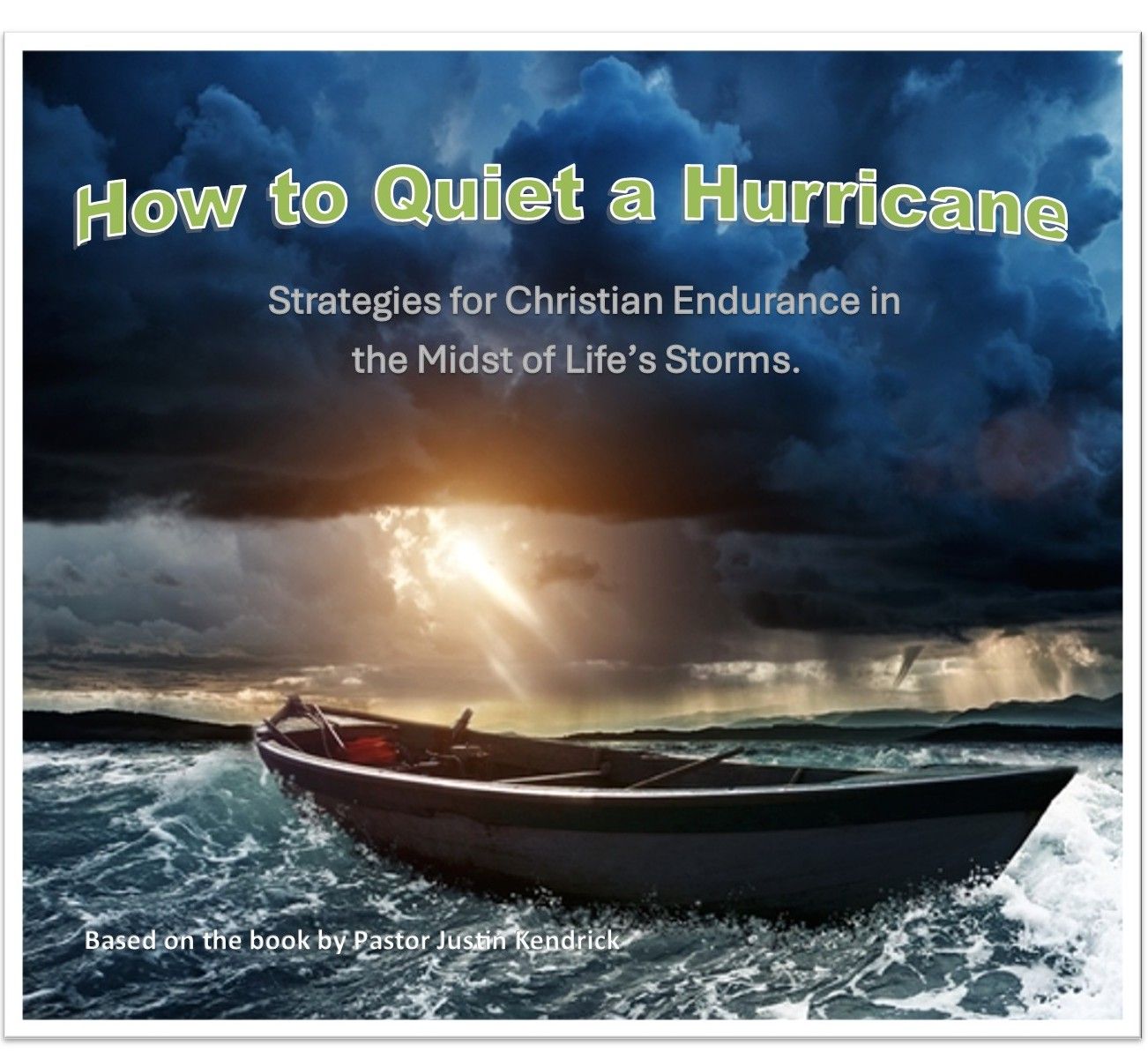
The thief comes only to steal and kill and destroy; I have come that they may have life and have it to the full. (John 10:10)

History Matters
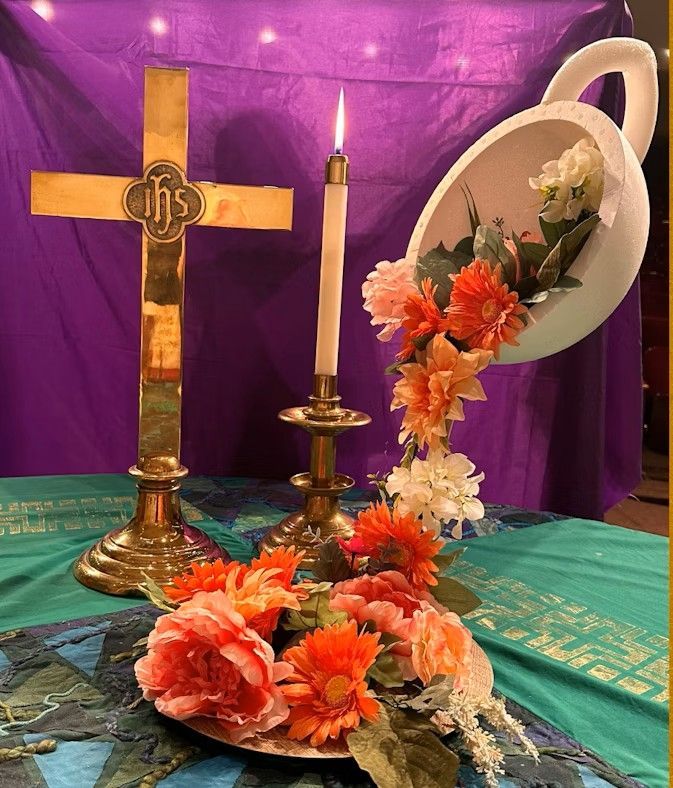
“{Jesus} withdrew about a stone’s throw beyond them, knelt down and prayed, ’Father, if you are willing, take this cup from me; yet not my will, but yours be done.’ An angel from heaven appeared to him and strengthened him.” Luke 22:41-43

“The Lord is near to all who call on him, to all who call on him in truth. He fulfills the desire of all who fear him; he also hears their cry and saves them.” Psalm 145:18-19 (NRSVUE)

“Set your mind on things above, not on things of the earth. For you died, and your life is hidden with Christ in God. When Christ who is our life appears, then you will also appear with Him in glory” (Colossians 3:2-4)

And God said unto Moses, I Am That I Am: and he said, thus shalt thou say unto the children of Israel, I Am hath sent me unto you. Exodus 3:14

A Christmas version of 1 Corinthians 13